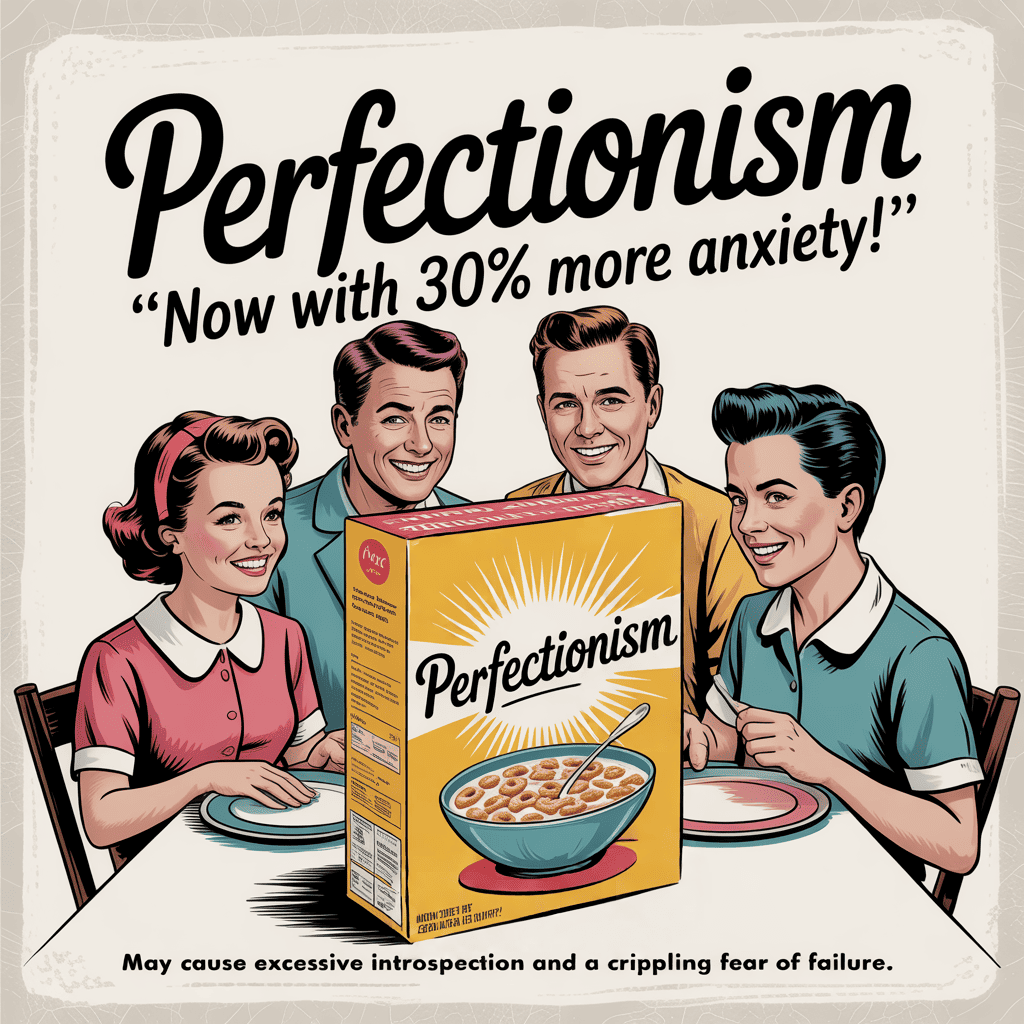
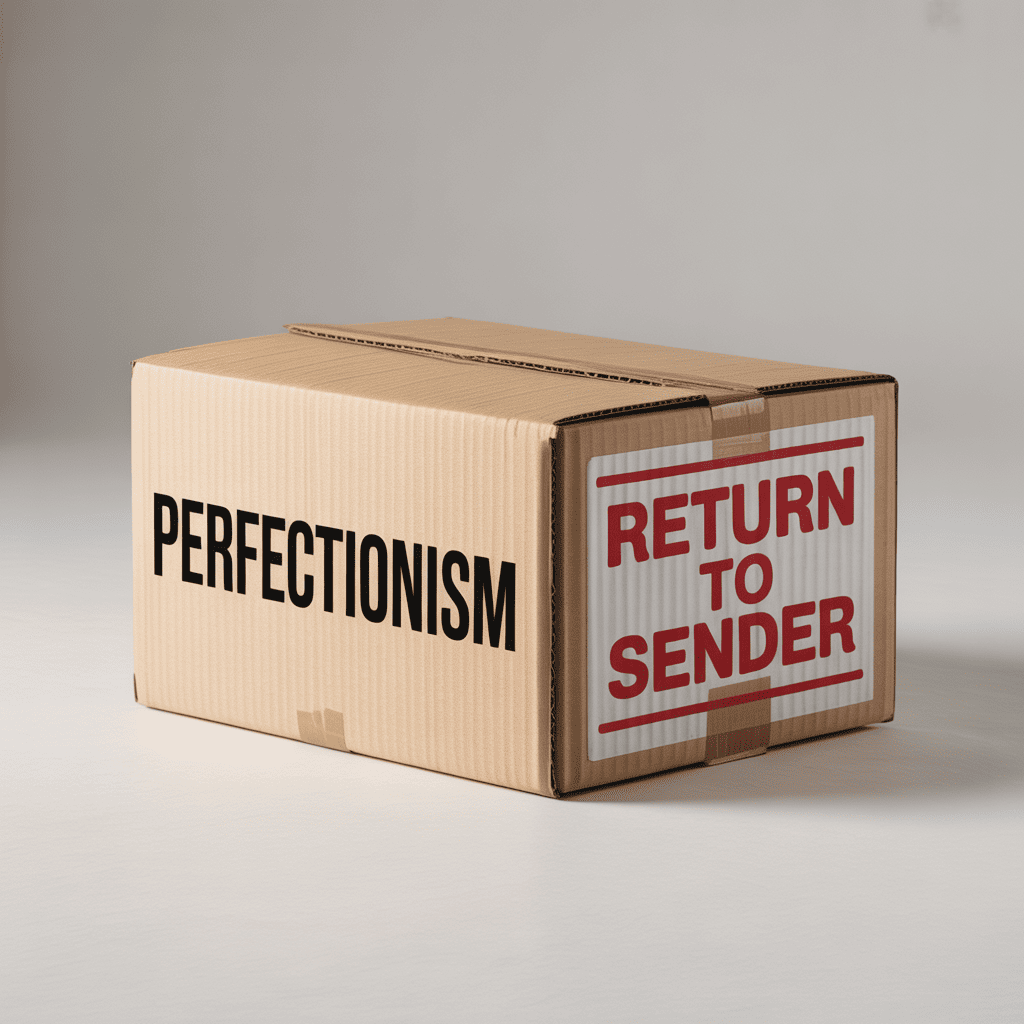
“Total control”, “Bulletproof results”, “Universal praise.” If perfectionism were a product, the packaging would sparkle with a long list of glossy promises. The side effects would be buried in microscopic print with the warning: results may include beautiful optics and mediocre life enjoyment. We don’t remember clicking “subscribe,” yet perfectionism quietly runs our calendar, inflates our standards, and hijacks our sleep. Why do so many high achievers keep auto-renewing?
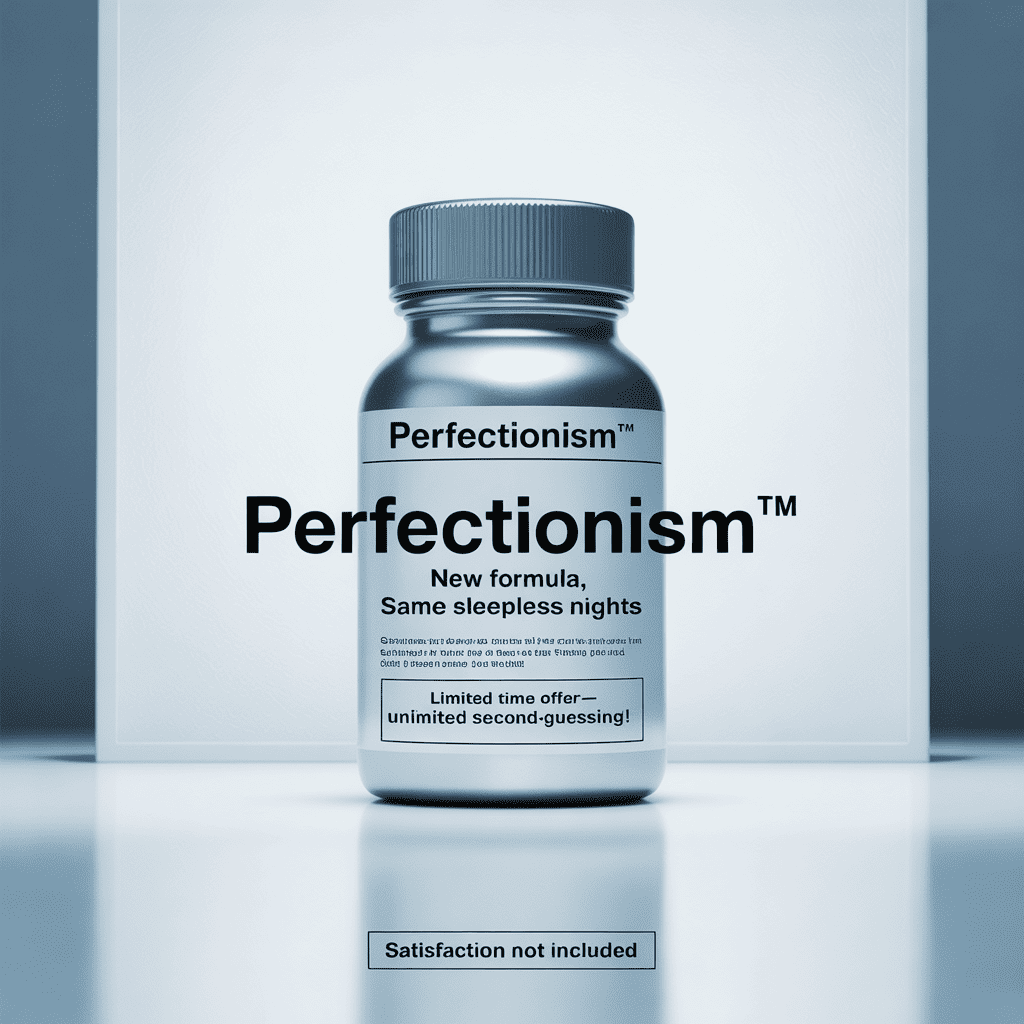
Because Perfectionism™ is brilliant marketing. It sells the fantasy of total control, a steady drip of approval, and the soothing belief that if we just work hard enough, nothing bad will happen. And like all overhyped products, it tends to deliver something else entirely: stress, doubt, and the eternal “one more pass.” Let’s unpack what keeps us hooked, and how to keep your edge without living on edge.
Why We Keep Buying
Safety Through Flawlessness
“If it’s flawless, I’m safe.” Cue the superhero montage: you anticipate every variable, out-research the internet, and bubble-wrap the day. It feels like a guarantee of smooth outcomes and Zen vibes.
Image Maintenance
“I’m the meticulous, reliable one.” Instant status. Your vibe says crisp, composed, trustworthy. Like your life has a style guide. Optics do the talking before you do.
Anxiety as Effort
“Feeling on edge shows I care.” The tension reads like work ethic. Running hot feels like focus, and the buzz of vigilance seems to push quality higher and keep mistakes at bay.
Loss Aversion
“Better safe than sorry.” One more pass, a bit more research, an extra contingency, these feel like smart insurance policies. The idea is simple: add buffers now to avoid regret later.
What’s Actually True
Outcomes Are Probabilities, Not Promises
Control feels safe, but it isn’t a force field. Over-prepping narrows your options and burns the fuel you’ll need for real-time judgment. A solid plan that can flex almost always outperforms a “perfect” plan that can’t.
Presence Beats Optics
Protecting the “meticulous one” persona steals attention from craft and connection. People remember warmth, clarity, and follow-through, not whether the salad had symmetrical croutons. Depth of engagement lands, while surface polish fades.
Calm Improves Quality
Running hot doesn’t equal working well. Elevated tension shrinks attention, dampens creativity, and makes small problems look huge. A breath, a posture reset, and a brief pause restore the kind of focus that leads to better choices.
Diminishing Returns Are Real
Extra passes and contingency layers rarely change outcomes in a meaningful way. They do raise stress, delay useful input, and make adjustments harder. Most gains come from a few targeted improvements. Beyond that, effort becomes noise dressed up as progress.
Change, Without Lowering the Bar
You’re not broken, you’re using the wrong settings. Keep your standards and tweak the system. Replace blanket perfection with context-specific precision. Focus where impact is real, accept “good enough” elsewhere, and lead yourself with encouragement instead of criticism. The point isn’t to dream smaller, but to execute wiser.
Calibrate to Context
Start by naming the purpose of the situation. A weeknight dinner is about nourishment and togetherness. A difficult conversation is about clarity and care. A workout is about waking the body rather than winning the Olympics. Define what “good enough” means for this moment and stop when you reach it.
Build Self-Trust Reps
Shift identity from “I look meticulous” to “I keep reasonable promises to myself.” Make small, realistic commitments, like two minutes of practice, one honest text, or a 10- minute walk. Then note that you followed through. Evidence beats optics, and consistency builds quiet confidence.
Regulate, Then Decide
Treat calm as a performance tool. Take sixty seconds for slow breaths, a posture reset, and a steady gaze. Then choose the next step that serves your stated purpose. You will think more clearly, speak more kindly, and save intensity for when it actually helps.
Favor Reversible Moves
Ask whether you can test this and adjust. If the answer is yes, choose a simple version and proceed. Save slow, heavy deliberation for choices that are hard to undo. Use a twopass rule for polish, one for clarity and one for tone, paired with a review date. Experiments create learning, while endless tweaking creates drag.
How Your Life Changes When You Do This
More presence. Attention returns to people and experiences, not optics. You’re with people, not performing at them.
Cleaner decisions. You spend less time spinning and more time moving. Because you decide quickly on reversible choices, you correct course sooner and with less drama.
Stronger relationships. Timely, honest communication replaces silent perfection. People experience your care as trust, not control.
Sustainable energy. Vigilance stops being your default. Sleep improves and weekends feel like recovery instead of repair. With a calmer baseline, creativity and nuanced judgment come back online.
Real confidence. Not the brittle kind that depends on applause, but the grounded kind that grows from kept promises and steady practice. You don’t need perfection to trust yourself. You need evidence that you show up.
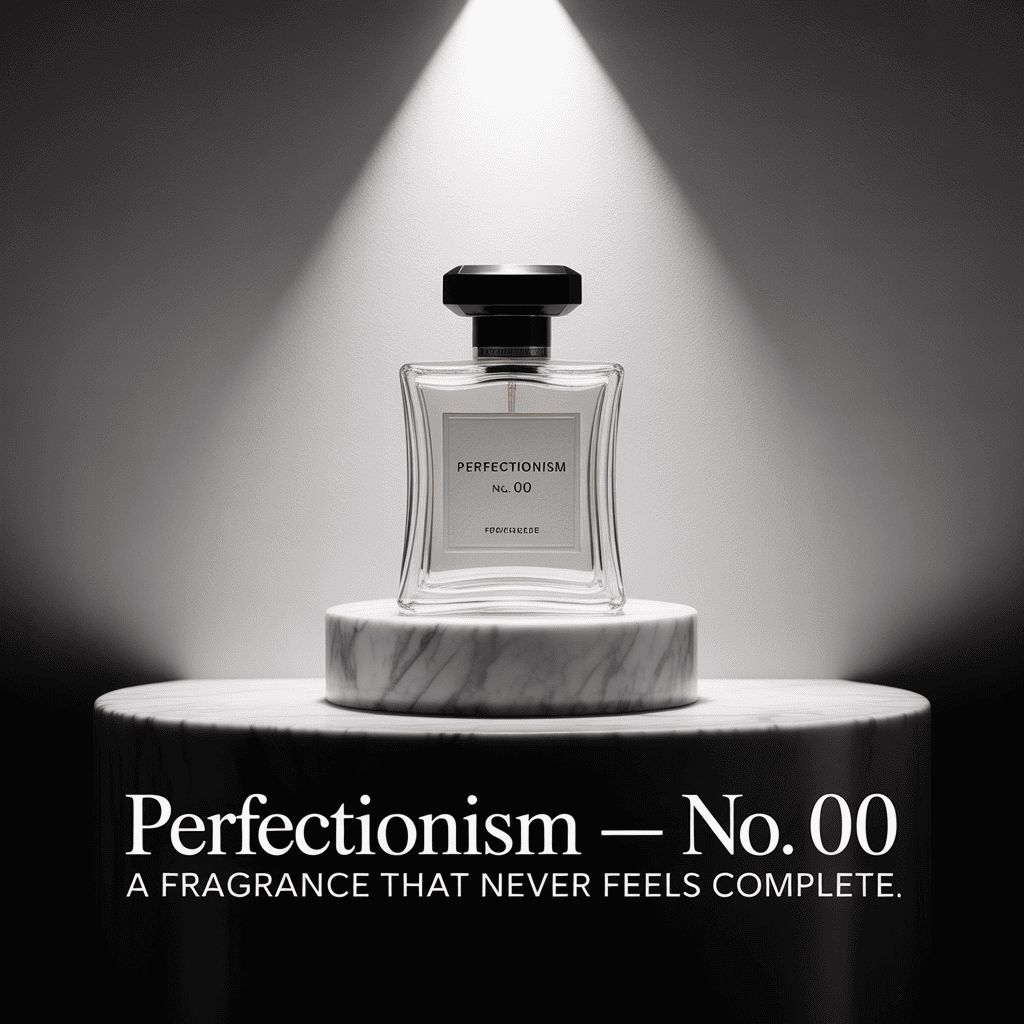
Selective mastery. You still go all-in, just where it matters most. The wedding toast gets the extra polish, Tuesday laundry does not. Your standards become a spotlight, not a floodlight.
Return to Sender
Perfectionism looks fabulous on the shelf, and then leaks all over your week. Slap a return label on the “flawless or bust” myth, keep the parts that actually work, and leave the rest in the clearance bin. Give yourself permission to be pleasantly average at less important things so you can be delightfully excellent where it counts. Unsubscribe from
“one more pass,” resubscribe to “good enough for today,” and enjoy the store credit: better sleep, warmer people, and a life you savor, not survive.
Jeff Walton, CMLC and Advanced TEAM-CBT practitioner, helps perfectionists find joy in the journey, without losing their edge. With lived experience, evidence-based tools, and a sometimes questionable sense of humor, he helps clients achieve more without sacrificing their sanity, sleep, or standards. Ready to trade pressure for progress? Visit happy-perfectionist.com.